The Most Hilarious Complaints We've Received About Small Wood Burning Stove
How Much Room Do You Have For a Small Wood Burning Stove? Many people love wood stoves for their cozy ambience, and the joy of creating an fire. There are a few aspects to think about when choosing the best small wood-burning stove to fit in your home. For instance, you may need to ensure that your flue pipes be able to exit straight through the roof that is directly above it. 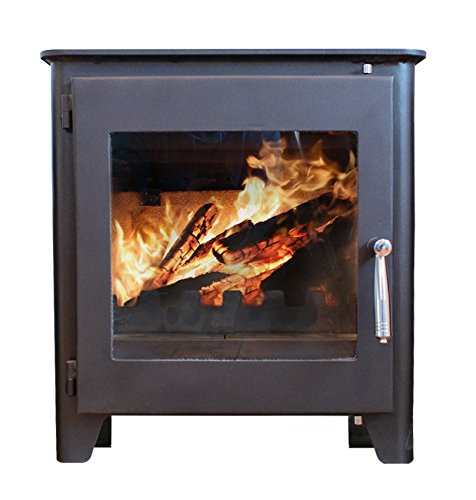 How Much Room Do You Have Around Your Stove? When looking for a wood stove, it is crucial to keep in mind the amount of space around the unit. You'll need an appropriate amount of space to allow your stove to comply with safety standards and be properly installed. The first step to determine the amount of space you have is to measure the space where you want to put your stove. Use a tape measure to accurately gauge the space. Be sure to take into account the thickness of your counters and any other surfaces that are overhanging the cutout of your stove. You should also determine the distance from the bottom of your cabinets to the floor, if you need to. Once you know how much space you have available you can begin narrowing your choices. Start by evaluating the needs and budget of your stove. If you're on a budget, buy a used stove that offers a excellent value. If you're looking to purchase a new stove, you should examine the maximum Btu specifications of each model to determine the most appropriate to your space. A stove that has a high Btu rating is more efficient and generates more heat in your home. This can save both energy and money in the long run. It is also important to consider the size of your home and the climate. For instance, if you reside in a region that experiences cold winters, you'll require an appliance with a large heat output to adequately warm your home. If you're in a region with mild winters, a less powerful stove might be sufficient. Look into a model from Navigator Stove Works if you are looking for a compact, wood-burning stove that can be easily customized to meet your needs. The Little Cod wood burning stove is a compact and durable stove that comes equipped with a number of features. It comes with the option of a gallery rail made of brass that lets you hang pots and pans off the stove, as well as a stainless steel cooktop that allows for enhanced cooking on the stove. The Little Cod can also be equipped with an air intake for increased efficiency. How Do You Want Your Flu System to be Arranged? Wood stoves can be an excellent way to heat your home, however they can be difficult to operate. To make the most of your wood stove, you need to know the way in which the fire is created, and how to keep an effective flame. The best way to learn this is to study the owner's manual for your stove or speaking with an experienced heating engineer. The chimney and the firebox are the two primary components of stoves. The firebox encloses the fire and shields it from the elements. The firebox is insulated and comes with air vents to control the combustion air flow. The stove comes with a glass door that lets the user see the fire. Stoves employ well-seasoned firewood as their primary fuel source. wood burning stoves small that is seasoned is dry and has a low moisture content, which allows it to burn more efficiently. The air vents located at the top and the bottom of the stove are used to provide the wood. The thermostatic system of the stove, which is based on bimetal coils, controls the amount of air that flows through the air vents. The bimetal helix coil is comprised of two different types of metals, that expand at different rates when heated. This creates a controlled airflow that is used to ignite fuel in the firebox. It is crucial to add small amounts of wood each when the fire starts to maintain a constant fire and to prevent it from burning out. A fire that is not under control can produce a smelly, dark and inefficient smoke. The more smokey the fire is the more energy will be wasted in producing heat, and the more creosote is likely to accumulate in the flue pipe. The majority of cities and towns are in Smoke Control Areas, which means that the emission from wood stoves need to be kept to an absolute minimum. To ensure that the emissions from the stove stay within acceptable limits, it is important to match the size of the stove to the heating needs of your home. A larger stove will generate more heat, but when it's too big for your space, the flames may produce uncontrolled smoke. How Far Do You Need to place your stove away from combustion Surfaces? Stoves should never be installed close to surfaces that are flammable since the fire can create extremely hot gasses. To ensure that very small wood burning stove are safe to use they must abide by specific guidelines and regulations. In addition, you must maintain a safe distance between your stove and any combustible materials. The exact distances can vary by stove, but the minimum will be determined by the manufacturer in their installation instructions (contact them in case you don't have their instructions) or in Approved Document J of the Building Regulations (contact your local building control officer for more details). It is also important to know that your wood-burning stove must be installed on an open hearth, and that you must install floor protection specified by the stove's manufacturer. The majority times it will be the application of gypsum mortar over a concrete base or slab. However, some stoves could require more extensive floor protection, since the specific specifications will depend on the amount of heat radiating downwards from the stove. For example, some listed stoves do not require combustibles beneath them at all and will require a layer of ¼” ceramic tile (although they usually provide an under-floor heat shield as an option). Many stoves are available with a heat shield provided by the manufacturer. This reduces the distance from burning combustibles. This can sometimes be done along the entire length of the chimney pipe. It is worth looking into whether this option is available. You can also reduce the clearance requirement by covering the wall with a sheet made of metal, such as aluminum. This will allow you the same distance between the flue pipes. However, it is more expensive and you have to ensure that the material you select meets the requirements for your stove. Another option is to build a 3.5-inch thick brick masonry wall, which is then framed with the combustible wall. Then finish it off with the fireproof cladding or a hardiebackerboard. This will reduce the required minimum clearance to just under six inches. You can also install a special double-wall stove pipes inside that is manufactured by the same companies that manufacture double wall chimneys in class A, which would further reduce the required clearance. How Far Do You Have to Position Your Stove From non-combustible surfaces? Stoves can produce a great amount of heat that can damage surfaces that aren't properly protected. You should be aware of how far your stove can be from combustible substances and utilize this information when preparing an area to install it. All stoves that burn wood either listed or unlisted require protection for the floor known as the hearth. This can be made of ceramic tiles or non-combustible stone, however, it must cover an area of at 300mm on either side and 150mm in front of the stove. The purpose of this hearth is to shield the flooring from the heat generated by the stove, and any embers that fall from the stove that could be emitted while the fire is burning. The majority of building codes define the exact clearances between the stove and the walls. These are typically printed on a metallic tag that is attached to it or in its instruction manual. These guidelines may vary from one region to another and it is recommended to check with your local authorities. Older stoves, that were not UL listed required a minimum of 36” clearance from the wall surfaces that could be combustible. Modern stoves can be installed further away. This is due to more sophisticated combustion designs that direct most of their heat away from sides and rear walls. You can also purchase additional heat shields to some models to facilitate installation closer. The intense heat produced by wood-burning stoves can cause damage or even ignite combustible materials. It is therefore a good idea to eliminate any ornamental or decorative objects within the immediate vicinity of the wood burning stove. It is important to avoid placing anything flammable within three feet of the stove. Install a heat-shield made of steel on the front of the stove, and one on either side. This will reduce the distance between the stove and combustible walls, while still ensuring security. The heat shields reflect the bulk of the heat that is generated by the stove, allowing you to keep the space open and airy while maintaining heat efficiency. The heat shields are available separately or you can build them yourself using a sheet of stainless steel positioned 1 inch from the wall with non-combustible spacers.